

I. Introduction:
Over the past decade, the United States Agency for International Development (USAID) has played a key role in shaping Vietnam’s energy landscape by providing technical assistance, facilitating private investment, and promoting clean energy solutions. This support has been pivotal in modernizing Vietnam’s energy infrastructure and reducing its dependence on fossil fuels. However, with the suspension of USAID technical assistance programs under the “America First” policy, Vietnam’s energy sector may face challenges that affect the investment climate and energy transition policies.
This analysis will briefly present USAID’s energy assistance programs in Vietnam, highlight important contributions to the transition to renewable energy, and analyze the short-term and long-term impacts of this support suspension.
II. Historical background and USAID’s role in Vietnam’s energy sector:
1. Growing energy demand in Vietnam:
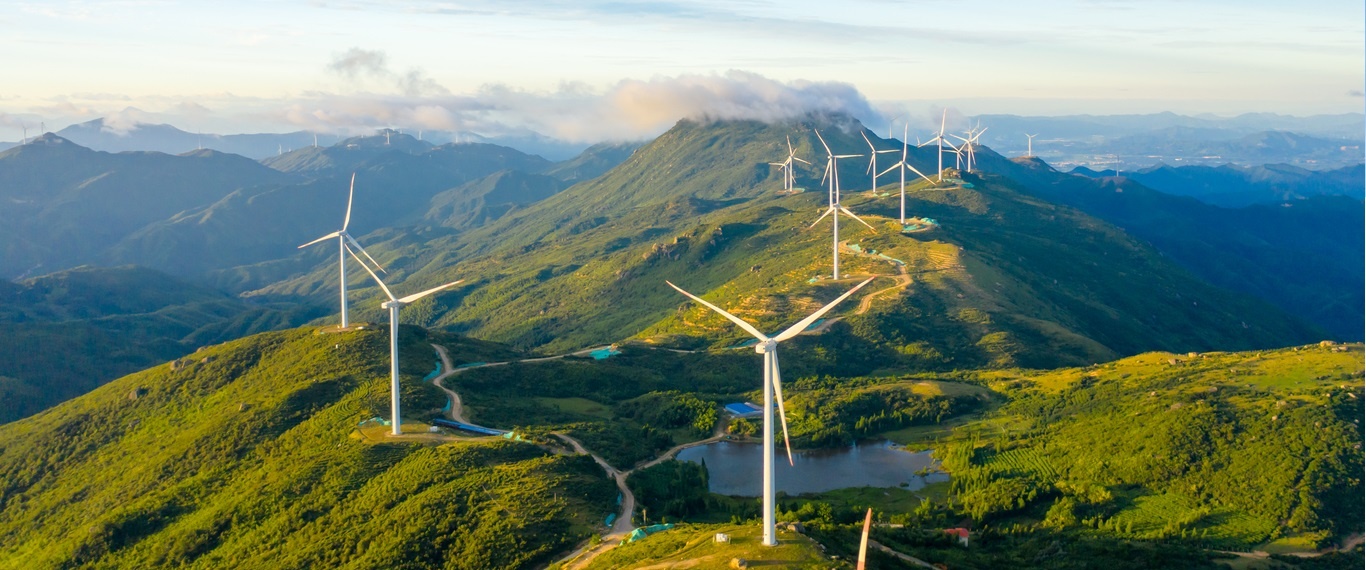
Vietnam’s rapid industrialization and urbanization have driven a sharp increase in energy demand. In the past, Vietnam relied heavily on coal and other fossil fuels, but is now prioritizing diversification of its energy mix by integrating renewable sources (such as wind, solar, biomass). Ensuring energy security and minimizing environmental impacts has created an urgent need for advanced technical knowledge, as well as financial investments.
2. USAID’s contribution in technical assistance:
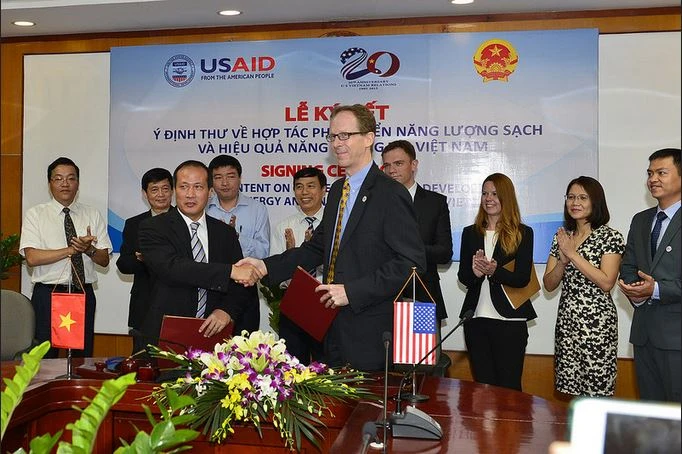
USAID has become a key partner in supporting the transition to sustainable energy in Vietnam. USAID’s technical assistance not only helps develop projects, but also contributes to building the capacity of domestic agencies on energy policy, regulatory reform, and investment mobilization. Notable initiatives that illustrate the scope and depth of USAID’s engagement include:
2.1. Vietnam Low Emission Energy Program (V-LEEP):
Launched in the mid-2010s, V-LEEP focuses on developing a long-term energy strategy and mobilizing private investment for renewable energy projects. With approximately $311 million mobilized and developing approximately 300 MW of renewable energy through private sector-led projects, V-LEEP has made a significant contribution to integrating clean energy solutions into the national energy system.
2.2. Vietnam Low Emission Energy Program II (V-LEEP II):
Building on the success of the first phase, V-LEEP II was launched in 2022 with a capital of US$36 million to continue providing technical and financial support, aiming to put into operation up to 2,000 MW of renewable energy in the period 2020-2025. This phase not only expands support in project design but also strengthens technical expertise to improve energy policy and legal frameworks.
2.3. Vietnam Urban Distributed Energy Project in Ho Chi Minh City:
With a budget of over US$11 million, USAID and the Department of Industry and Trade of Ho Chi Minh City have cooperated to promote energy efficiency and conservation, as well as develop and deploy new renewable energy sources. Some of the achievements include:
2.3.1. Develop the City's net zero emissions strategy and implementation roadmap, develop a proposal for a strategy to expand clean and new energy sources.
2.3.2. Help mobilize 4.2 million USD in investment capital for clean energy development companies, energy startups (such as green hydrogen projects, energy storage battery systems, electric motorbikes and electric transport ecosystems).
2.3.3. Train more than 500 employees of key financial institutions on advanced financial instruments (such as green bonds and clean energy) to promote investment, as well as provide loans for clean energy projects. Train nearly 200 officials, energy managers, technical managers to promote the implementation of policies and measures on energy efficiency.
2.3.4. Establishment of the Innovation Challenge Fund Program, which will fund 7 innovative solutions to address urban energy and environmental issues in Ho Chi Minh City.
2.4. Vietnam Urban Energy Security in Da Nang:
The USAID-funded Vietnam Urban Energy Security Project is a 4-year (2019-2023) project with a budget of 14 million USD and aims to promote the deployment of advanced distributed energy solutions in urban areas in Da Nang and Ho Chi Minh City. The project has supported Vietnam to meet its rapidly growing energy demand and address air pollution in urban areas through coordination with city governments and creating many business opportunities for enterprises.
These projects have provided Vietnam with important insights into project implementation practices, risk mitigation and investment attraction, which are essential for a country in the midst of an energy transition.
III. USAID’s Achievements and Technical Assistance Mechanisms:
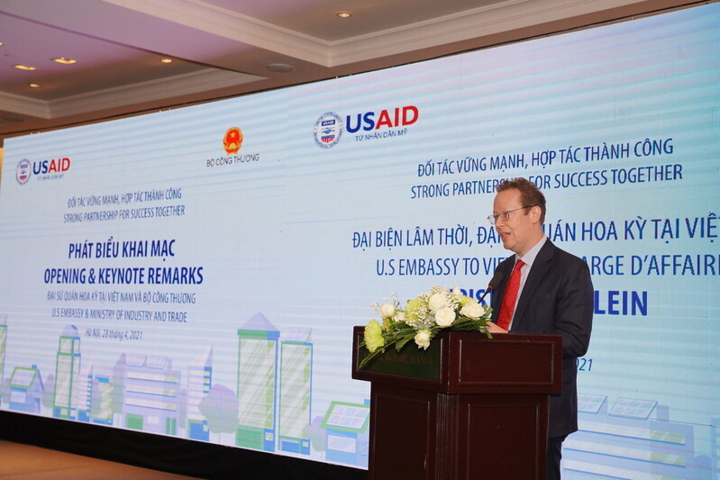
1. Facilitating Investment and Innovation:
USAID works closely with government agencies and private developers to develop project proposals, assess feasibility, and apply best practices in environmental and financial sustainability. These studies often serve as a basis for mobilizing additional investment and attracting multinational companies.
USAID’s initiatives include specialized training for domestic officials and policymakers, thereby improving their capacity to manage complex energy projects. This capacity building process enables stakeholders to continue to develop energy projects independently in the future.
USAID supports policy drafting and regulatory framework development to create an environment conducive to private investment. This helps reduce risks for foreign investors and ensures the national energy strategy is aligned with global standards.
2. Environmental, economic and social benefits:
USAID’s technical assistance has created impacts beyond increasing renewable energy (RE) capacity. Promoting RE helps reduce greenhouse gas emissions, contributing to efforts to combat climate change. The transition away from fossil fuels also improves air quality and public health.
Developing RE projects opens up new economic opportunities, creates jobs, stimulates the local economy and reduces dependence on traditional energy sources, thereby increasing economic sustainability.
In addition, cooperation with international experts helps Vietnam access advanced technology and modern management methods, thereby improving the competitiveness of the energy sector in the regional market.
IV. Potential impacts of the suspension of USAID technical assistance:
The suspension of USAID technical assistance is expected to have the following impacts on Vietnam’s energy sector:
1. Delays in renewable energy projects and delays in transition:
Without technical and financial support from USAID, energy projects that are underway or in preparation will face difficulties and delays. Many projects rely on guidance and risk mitigation strategies provided by USAID, so the sudden suspension could extend the time to project completion.
USAID support has been a catalyst for innovation in the sector. With this support gone, developers and government agencies may struggle to keep up with advanced renewable energy technologies, leading to technological lag.
2. Reduced private investor confidence and difficulty in raising investment:
One of USAID’s key roles is to provide feasibility studies and risk assessments for projects, thereby building confidence among private investors. When this support is suspended, investor confidence in the viability of new projects may decline, leading to reluctance to commit capital.
Without support in project design and capital mobilization, projects may face increased costs and financial uncertainty. This further slows down the pace of private investment and puts pressure on the overall capital base of the energy sector.
3. Policy and institutional capacity challenges:
USAID has made important contributions to the development and strengthening of Vietnam’s energy policy framework. The absence of this expertise could hamper the pace of reform, making it difficult to create a stable and attractive investment environment in the long term.
USAID’s capacity building programs provide long-term benefits. When technical assistance is suspended, the development of domestic expertise may be hampered, affecting the ability to manage and coordinate complex energy projects in the future.
4. Environmental and social consequences:
If renewable energy projects are delayed or cancelled, Vietnam may be forced to continue relying on coal power. This not only affects environmental quality but also makes it difficult to meet international commitments to reduce greenhouse gases. Reliance on coal can exacerbate health problems related to air pollution, negatively affecting the quality of life of the population. The health benefits of renewable energy (such as reduced respiratory diseases and improved air quality) may be reduced.
V. Mitigation strategies and alternatives:
1. Mobilizing domestic resources:
The government may need to increase domestic resource mobilization for renewable energy projects, including increasing research and development budgets, subsidizing clean energy infrastructure, and simplifying regulatory processes to attract private investment.
Strengthening public-private partnerships (PPPs) can help fill the gap left by USAID. Developing frameworks that encourage investment and risk sharing will help Vietnam maintain progress in developing renewable energy projects.
2. Collaborating with multilateral organizations and regional partners:
Organizations such as the World Bank (WB), Asian Development Bank (ADB) and other multilateral financial institutions can provide technical assistance and alternative financing, building on established programs in the energy sector.
Strengthening cooperation with neighboring countries and regional energy alliances can provide Vietnam with expertise and experience sharing. This cooperation can also help facilitate larger-scale cross-border energy projects.
3. Building local capacity and encouraging innovation:
Investing in education and vocational training specializing in renewable energy will help develop domestic human resources, creating a professional workforce capable of managing advanced energy technologies. Collaboration with universities and research institutes is key to achieving this.
Encouraging innovative domestic ‘startups’ and enterprises in the energy sector can help create a self-sustaining ecosystem, gradually reducing dependence on external technical assistance. Building innovation hubs and creating incentives for research and development of energy technologies will play an important role in this strategy.
VI. Conclusion:
The suspension of USAID technical assistance has important implications for Vietnam’s energy sector. USAID’s involvement through the aforementioned energy technical assistance programs has not only promoted the development of renewable energy projects, but also enhanced institutional capacity and attracted significant private investment. This abrupt disruption poses many challenges – from project delays, reduced investment confidence, weakened legal frameworks, to negative impacts on the environment and public health.
However, alongside the challenges, this is also an opportunity for Vietnam to reassess its energy strategy. By mobilizing domestic resources, building partnerships with international financial institutions and regional cooperation, as well as investing heavily in domestic capacity development and innovation, Vietnam can mitigate the negative impacts of the suspension of technical assistance and maintain the momentum of the renewable energy sector.
In the coming years, the future of Vietnam's energy sector will depend on its ability to respond to similar changes through timely policy responses, as well as long-term strategic planning, to ensure energy security, economic sustainability and environmental protection./.
Source: NangLuongVietNam